
NUVO
‘When you plant the right trees, in the right places (with the right people) a whole host of social and environmental benefits emerge’
Tree aid


Minister of forestry, Ivory Coast.
‘A Tree for the Future’
Reforestation, agroforestry and green rehabilitation project.
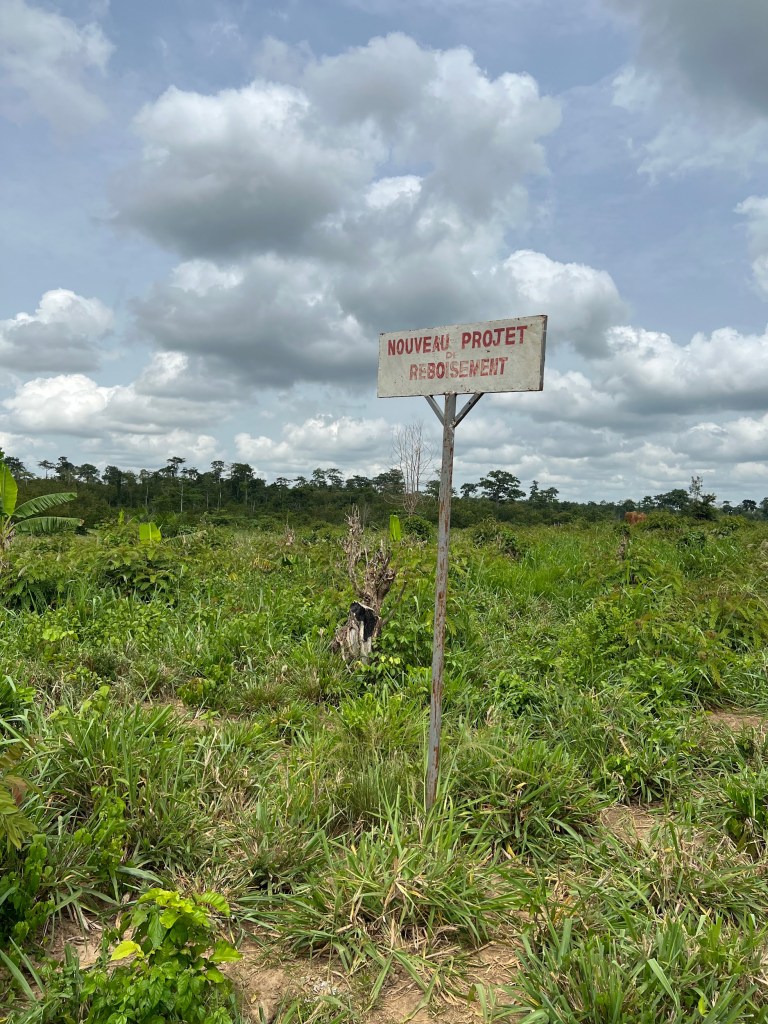
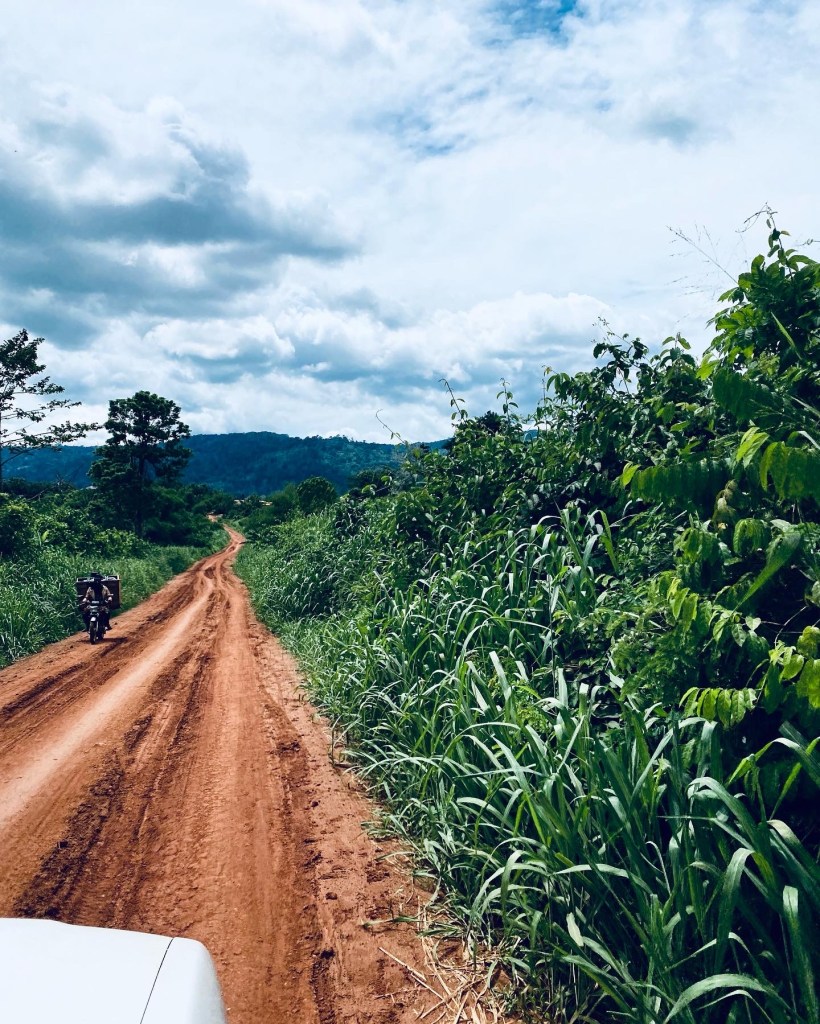
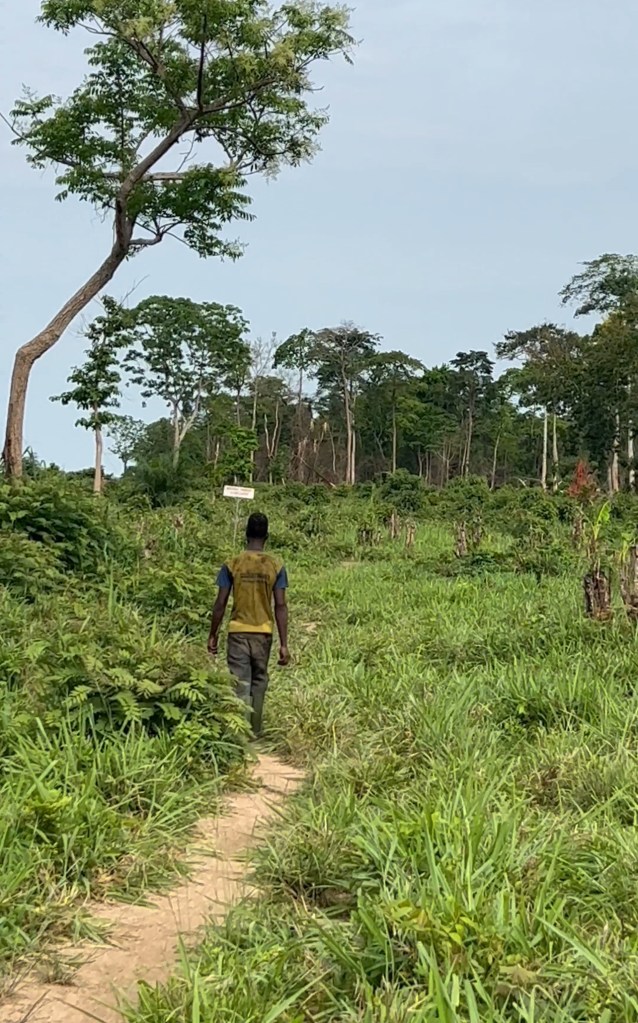
Our latest site of reforestation in Kahabo:
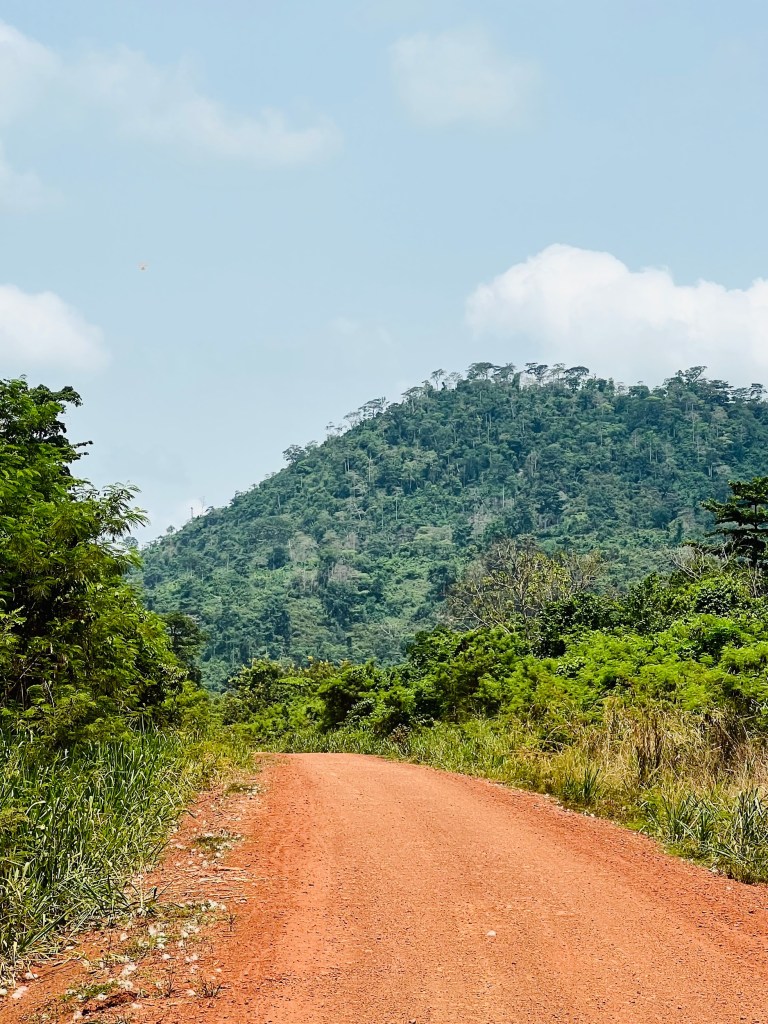
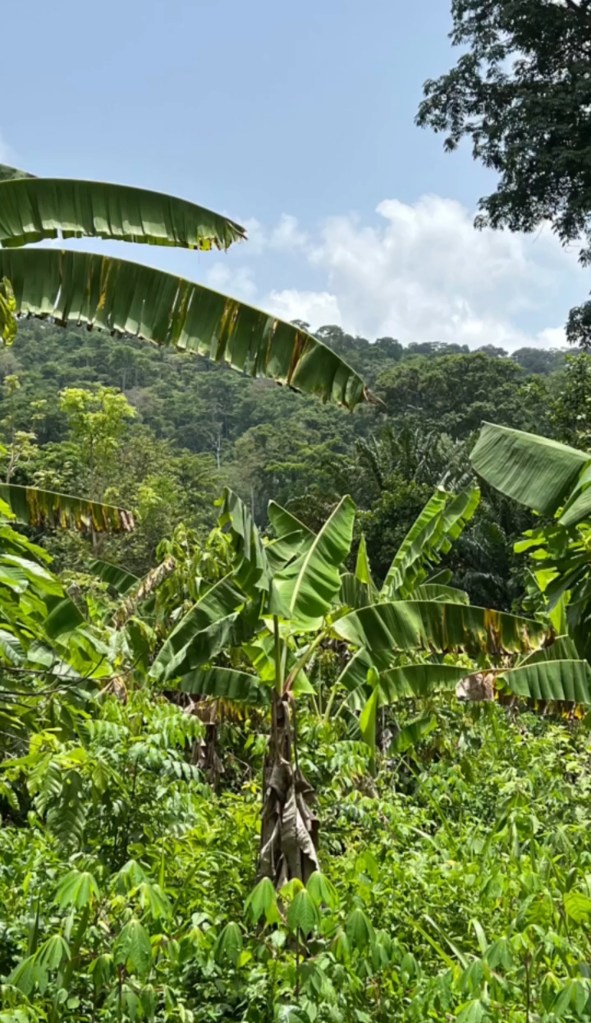
The Rombo mountain, the mountain chain on our estate
Check out the full NUVO Project Gallery Here
Project Profile: The NUVO Project
Project Overview:
The NUVO Project is a multi-faceted initiative focused on reforestation, agroforestry, and the rejuvenation of native flora. Situated within the tropical haven of the Ivory Coast, specifically within Kahabo Estate, Kpouebo, and Toumodi, our project seeks to create a lasting impact on the environment and the communities it serves.
Decade-Long Commitment:
Our commitment spans from 2022 to 2032, during which we aspire to plant a remarkable total of 100,000 trees. This equates to a steady pace of 10,000 trees each year, thereby reinvigorating Kahabo Estate and extending our efforts to encompass the expansive Toumodi region of the Ivory Coast.
Reforestation and Afforestation:
Our approach combines reforestation, the revitalization of existing forested areas, and afforestation, which involves establishing new forests. This twofold strategy is integral to our mission.
Vision and Purpose:
At the heart of The NUVO Project is a visionary goal — the reconstruction and revitalization of native West African rainforest ecosystems. Our unwavering commitment is rooted in restoring these vital ecosystems to their pristine and flourishing state. We are dedicated to fostering a sustainable environment that will benefit present and future generations.
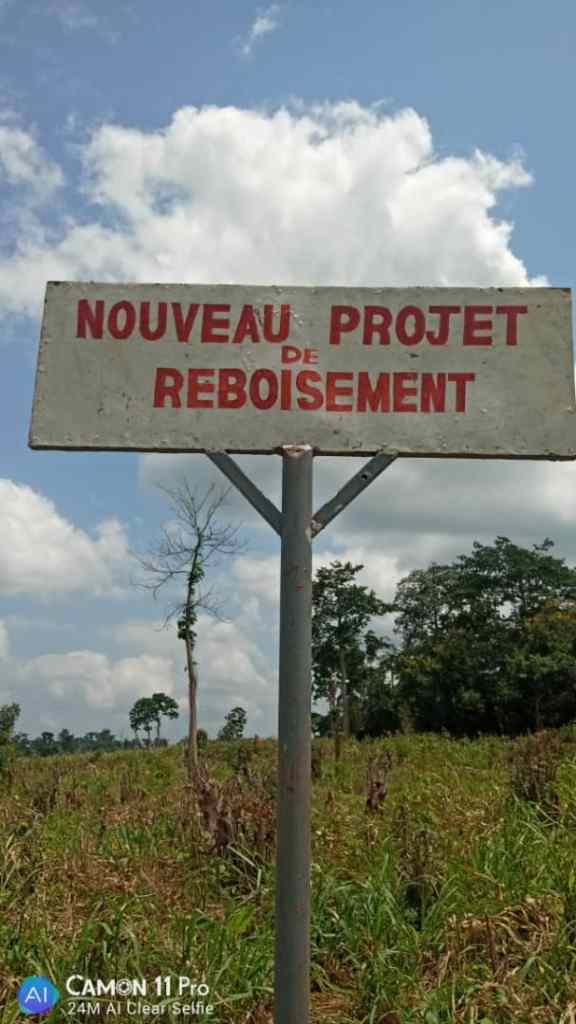
NUVO Project Key Missions
1. Rainforest Restoration:
We are committed to rehabilitating indigenous giant timber species and revitalizing depleted flora and fauna. Our goal is to restore ecological diversity, combatting the effects of agricultural deforestation exploitation in the region.
2. Climate Resilience:
Our central mission includes combatting climate change’s profound impact. Situated in tropical regions, we aim to slow the Sahara’s southward progression by planting trees and restoring ecosystems, fostering local and global environmental stability.
3. Agroforestry Promotion:
We actively introduce and reinforce agroforestry practices across our estate and the broader region. Our focus is on nurturing a culture of reforestation and regeneration through the fusion of agriculture and forestry. This approach supports native ecosystems and sustainable farming practices.
4. Partnership with Local Forestry:
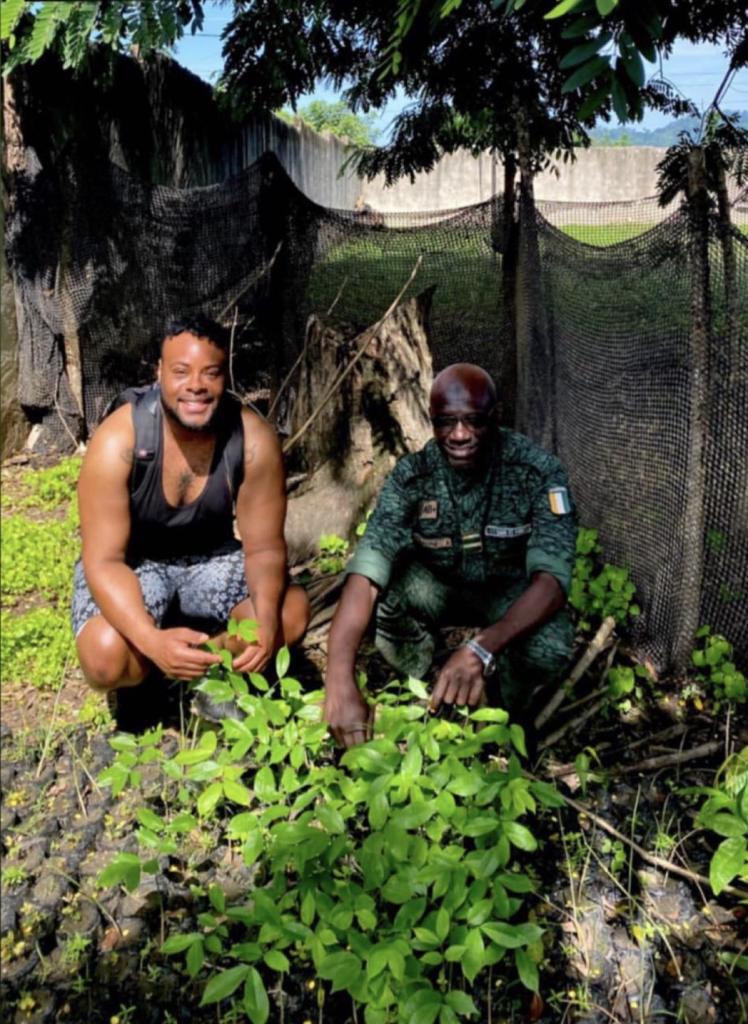
Collaboration with the local forestry ministry is intrinsic to our mission. Together, we launch comprehensive reforestation programs and awareness campaigns in local communities, inspiring farmers and residents to join our collective effort in restoring and preserving our natural environment.
Collaboration with the local forestry ministry is intrinsic to our mission. Together, we launch comprehensive reforestation programs and awareness campaigns in local communities, inspiring farmers and residents to join our collective effort in restoring and preserving our natural environment.
Kahabo Estate Restoration
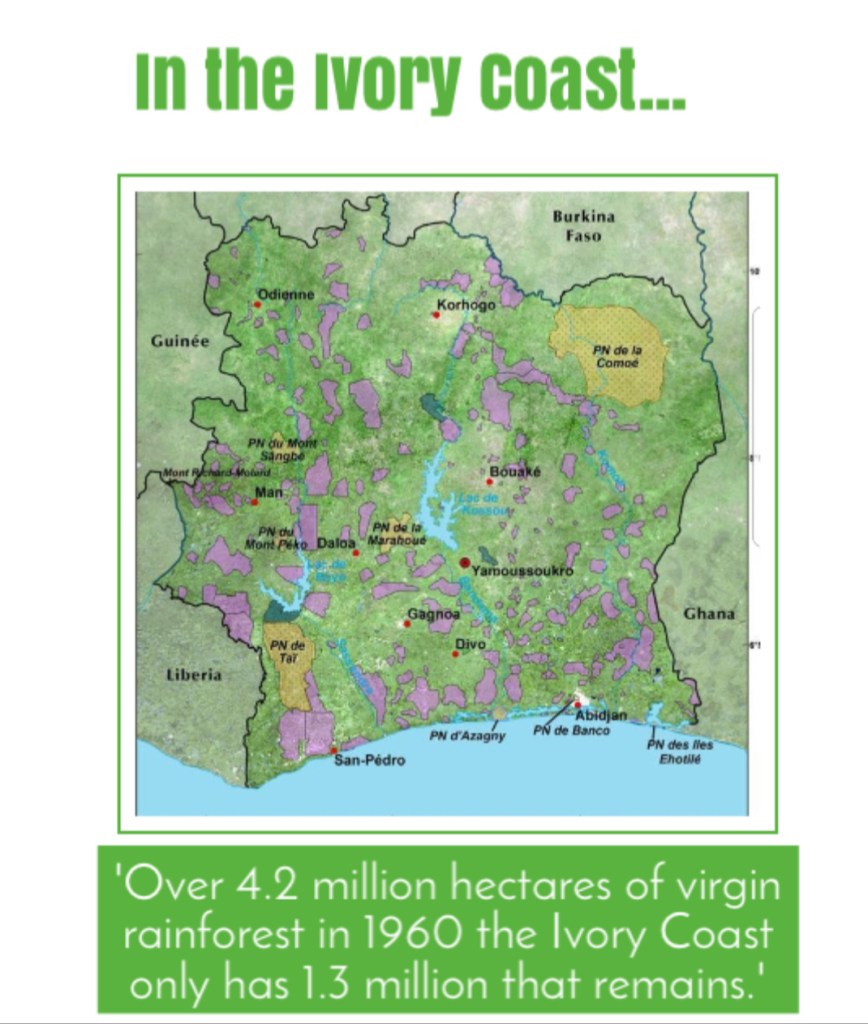
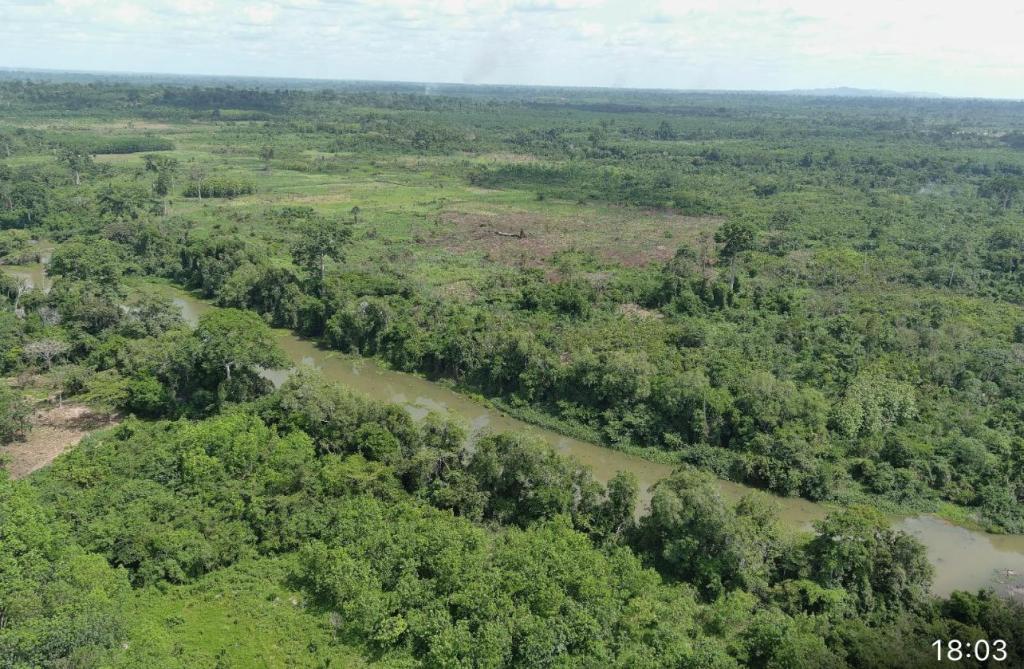
Kahabo Estate, spanning 500 hectares, holds a unique historical significance. In the 1960s, it stood as a primary site of pristine virgin forest. However, over time, the estate became a victim of logging and agricultural exploitation, notably for coffee and cocoa cultivation. As a result, its once-abundant indigenous timber species experienced a rapid decline of 80%.
Current State:
Our paramount objective within this project plan is to restore Kahabo Estate to its original indigenous biosphere. We are resolute in our mission to bring back the diversity of species that once flourished in this region.
Restoration Objective:
Our paramount objective within this project plan is to restore Kahabo Estate to its original indigenous biosphere. We are resolute in our mission to bring back the diversity of species that once flourished in this region.
Restoration Objective:
- Replant at least 80% of the diverse native species that were once abundant in Kahabo Estate.
- Foster an environment where indigenous timber species can thrive and flourish once more.
- Eliminate the dominance of invasive species and reestablish a balanced ecosystem
- Promote sustainable land use practices that support biodiversity and ecological health.
Through our dedicated efforts and strategic planning, we aim to revive Kahabo Estate to its full ecological potential, preserving its rich history and contributing to the broader goals of reforestation and environmental sustainability
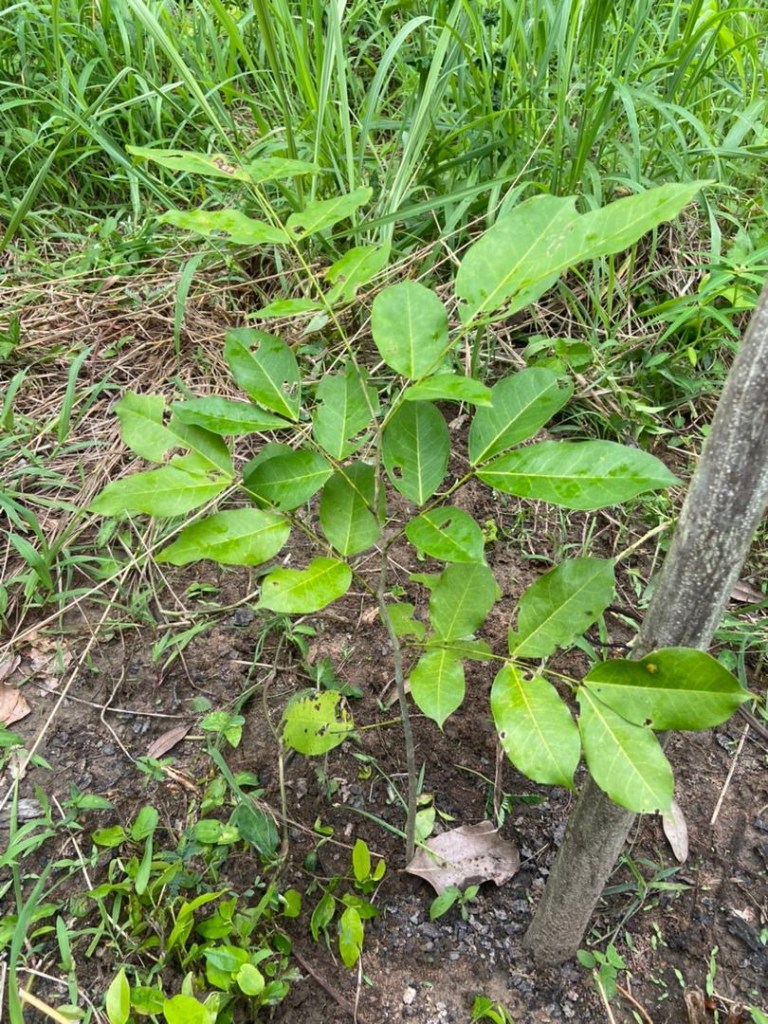
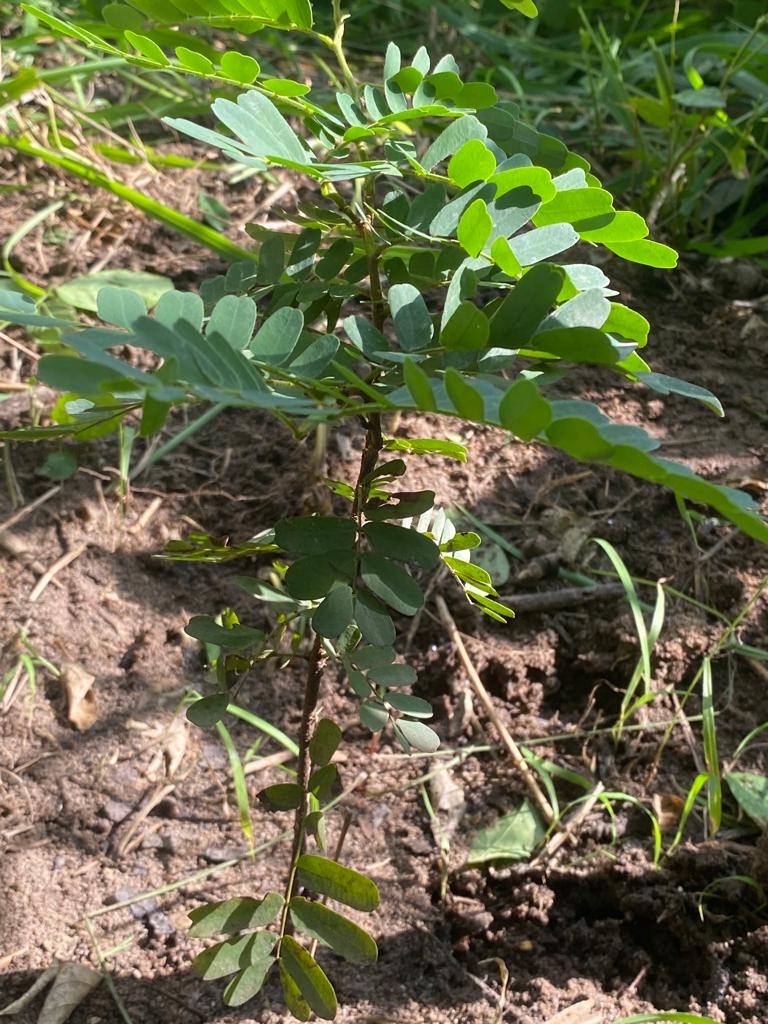
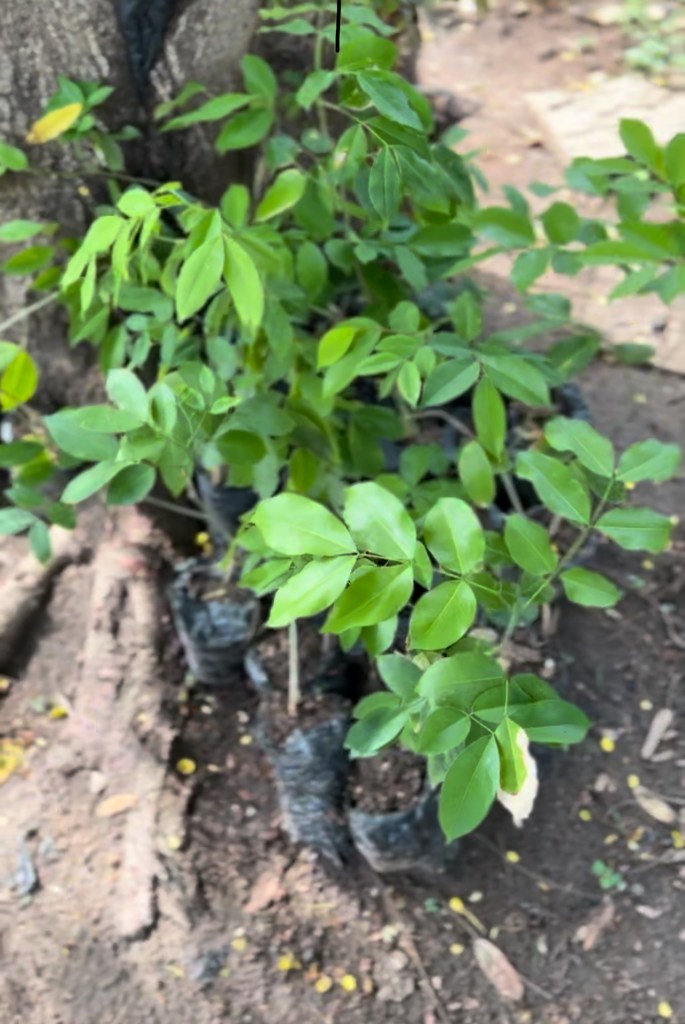
African Tamarind trees that we debuted in 2023
Deforestation and Reforestation Efforts background and benefits
‘It is estimated that approximately 10 million hectares of forest are lost each year due to deforestation, but reforestation and afforestation efforts aim to counter this trend.’
Economic Benefits
Reforestation efforts not only benefit the environment but also have economic advantages. They create jobs in forestry, conservation, and ecotourism sectors, contributing to local and national economies.
Benefits of reforestation
- Forests play a crucial role in capturing and storing carbon dioxide. Reforestation is considered one of the most effective strategies to combat climate change as it helps sequester carbon from the atmosphere.
- Reforestation efforts help restore habitats for a wide variety of plant and animal species, contributing to biodiversity conservation.
- Reforestation restores essential ecosystem services like water purification, soil erosion control, and provision of clean air.
Obstacles to Reforestation and Solutions:
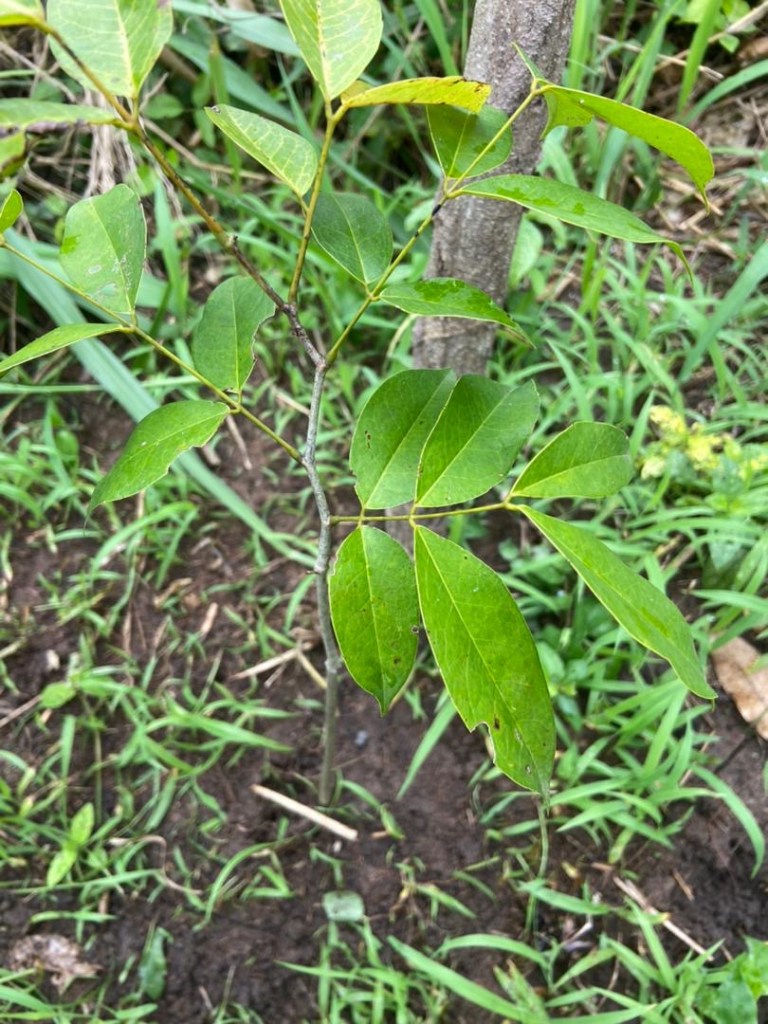
The NUVO Project – Tree catalogue
Selection of Native West African Trees
Tree Selection and Native Species Focus:
Within our project, we place significant emphasis on the careful selection of tree species. The trees chosen for planting are native to the West African region, naturally occurring in the heart of the central Ivory Coast. We understand the ecological importance of utilizing these native species in our reforestation efforts.
Ecological Significance:
Each of the selected native trees plays a vital and indispensable role in our mission to restore and promote a healthy ecosystem. Some of these trees are renowned for their striking flowers and bear fruits and nuts. These qualities are instrumental in reattracting pollinators to the region, thereby rejuvenating the intricate web of life within the ecosystem.
Seed Sourcing for Nursery Growth:
To enhance the survival and adaptation rates of these native trees, we adopt a proactive approach. We meticulously gather and harvest seeds from the neighboring forests, thus ensuring that our nurseries are populated with local genetic diversity. This approach not only supports the growth of robust trees but also helps maintain the integrity of the native ecosystem.
Through our thoughtful selection of native West African trees and the strategic sourcing of seeds, we aim to foster a flourishing and biodiverse environment that benefits both the environment and the communities we serve.

- Scientific Name: Blighia sapida
- Common Name: Ackee
- Origin: Native to West Africa
- Characteristics:
- Ackee is a tropical evergreen tree.
- It can reach a height of 10-12 meters.
- The tree features pinnate leaves and produces small, fragrant flowers.
- The ackee fruit is pear-shaped and turns red when ripe.
- Caution: Some parts of the fruit are toxic if not prepared and cooked correctly.
- Culinary Significance:
- Ackee is the national fruit of Jamaica.
- It is widely cultivated for its culinary uses.
- Medicinal Uses:
- In addition to culinary applications, ackee has traditional medicinal uses in certain regions.
- Note: Proper harvesting and preparation are essential to safely enjoy the fruit.

- Scientific Name: Cola acuminata
- Common Name: Cola Nut Tree
- Native Regions: Indigenous to West Africa
- Characteristics: Known for its seeds, commonly called Cola nuts.
- Cola nuts are used in the production of cola beverages and hold cultural significance in African traditions.
- Not a prominent source of timber or wood.
- Size: Can reach heights of 15 to 30 meters (49 to 98 feet) or more, depending on growing conditions.
- Significance: Primary value is attributed to its nuts, which are rich in caffeine and used in traditional rituals, beverages, and medicinal applications.
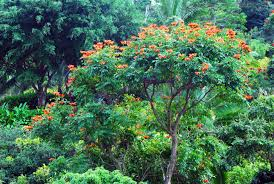
- Scientific Name: Spathodea
- Common Names: African Tulip Tree, Flame of the Forest
- Native Regions: Tropical and subtropical areas of West and Central Africa
- Characteristics:
- Known for its large, trumpet-shaped flowers.
- Flowers are vibrant orange-red or scarlet.
- Typically grown as an ornamental tree.
- Size: Can reach heights of 10 to 25 meters (approximately 33 to 82 feet).
- Primary Use: Primarily grown for ornamental purposes.
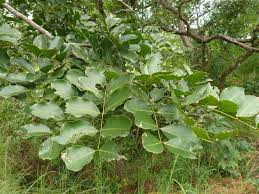
- Scientific Name: Guarea cedrata
- Name:Lengue (African Mahogany)
- Native Range: Indigenous to West and Central Africa
- Characteristics:
- Tropical hardwood tree known for its high-quality wood.
- Often referred to as “African Mahogany.”
- Size:
- Lengue trees can grow to impressive heights, reaching up to 30-40 meters (98-131 feet) or more.
- Characterized by a straight, tall trunk.
- Wood Quality:
- Highly prized for its fine grain, durability, and attractive reddish-brown color.
- Timber Value:
- Lengue is considered one of the valuable timber species in Africa due to its excellent wood quality and versatility.
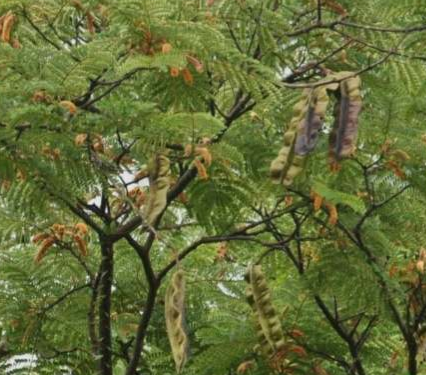
- Scientific Name: Tetrapleura tetraptera
- Common Names: Prekese, Aidan
- Native Regions: Indigenous to West Africa, notably Nigeria and Ghana
- Characteristics:
- A tropical tree valued for its aromatic pods and seeds.
- Traditional use in African cuisine and herbal medicine.
- Not primarily known for its wood.
- Size:
- Can vary in height but typically reaches 10-15 meters (33-49 feet) in its natural habitat.
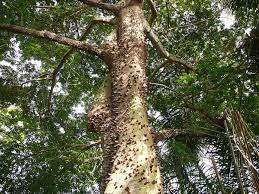
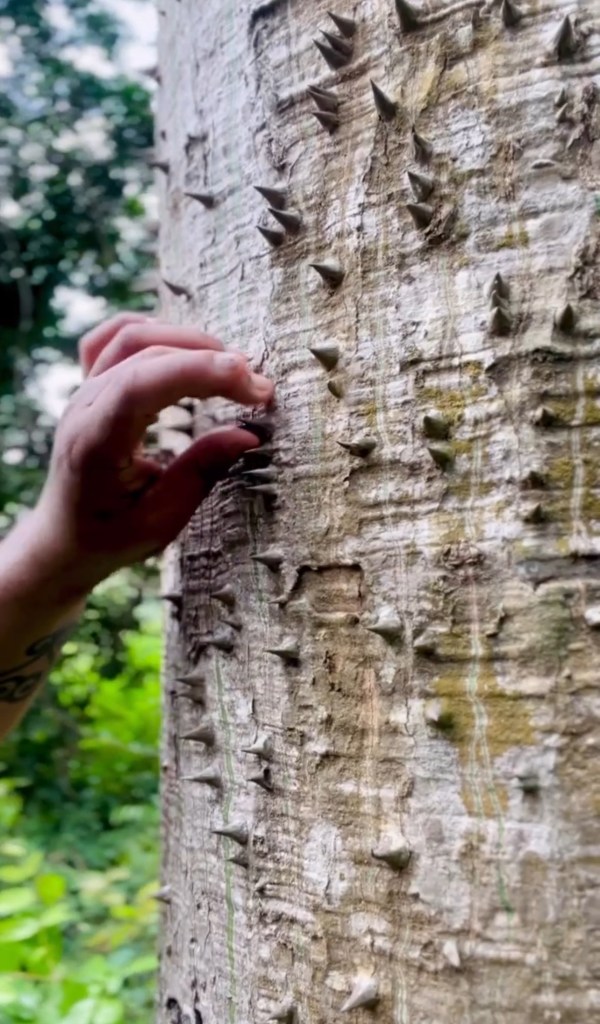
- Scientific Name: Ceiba pentandra
- Common Names: Kapok, Fromager
- Native Range: Indigenous to tropical regions and parts of West Africa.
- Characteristics:
- A large and majestic tree.
- Known for its towering height and unique fluted or buttressed trunk.
- Can exceed 50 meters (164 feet) in height.
- An iconic and prominent tree in rainforests.
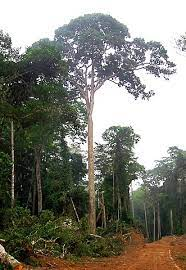
- Scientific Name: Terminalia superba
- Common Name: Fraké
- Native Range: Indigenous to tropical West Africa, notably Ivory Coast, Ghana, and Nigeria.
- Characteristics:
- A hardwood tree highly prized for its quality wood.Sought after for various woodworking applications.
- Size:
- Fraké trees can grow impressively tall, often reaching heights of up to 40 meters (approximately 131 feet) or more.
- Timber Value:
- Considered one of the valuable timber species in West Africa due to its excellent wood properties.
Check out the full NUVO Project Gallery Here
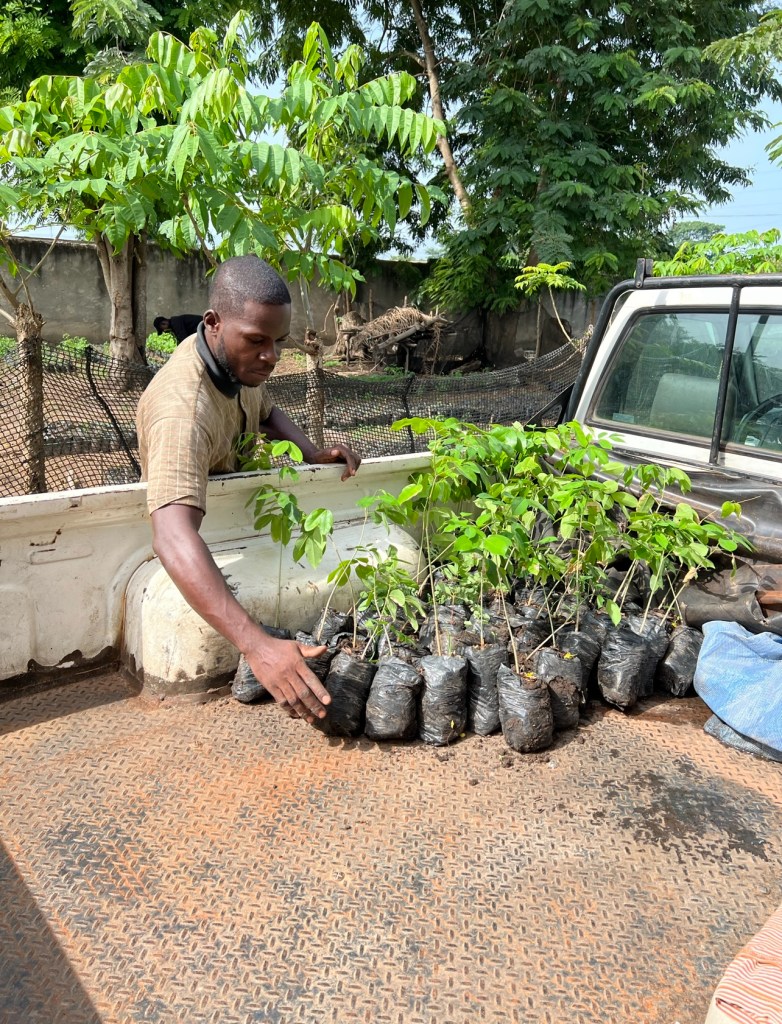
Project Progress
Project Inception:
The NUVO Project took root in 2022, marking the commencement of our ambitious mission. In this endeavor, we forged a valuable partnership with the local Ministry of Forestry, securing essential logistical and technical support to propel our initiatives forward.
Key Achievements:
Here are some of the notable accomplishments from our project’s two-year tenure:
Local Employment:
We have provided employment opportunities for up to 50 local residents within our estate and support teams. This not only empowers our communities but also fosters a sense of shared responsibility for our environment.
Mahogany Sapling Planting:
In our dedication to the cause, we planted up to 300 mahogany saplings across different sections of our estate. This served as a vital pilot program to assess growth and adaptability.
Knowledge Exchange with Authorities:
We have actively engaged in knowledge exchange and collaboration with the Ministry of Waters and Forestry, reinforcing our commitment to informed, data-driven strategies in our projects.
Collaborative Partnerships:
We have established valuable partnerships with like-minded organizations such as ‘Seed Ball,’ enhancing our reach and impact in the reforestation domain.
As we move forward, these accomplishments inspire us to redouble our efforts, and we look ahead to many more years of progress, sustainability, and environmental stewardship within the NUVO Project.
Progress and Future Plans
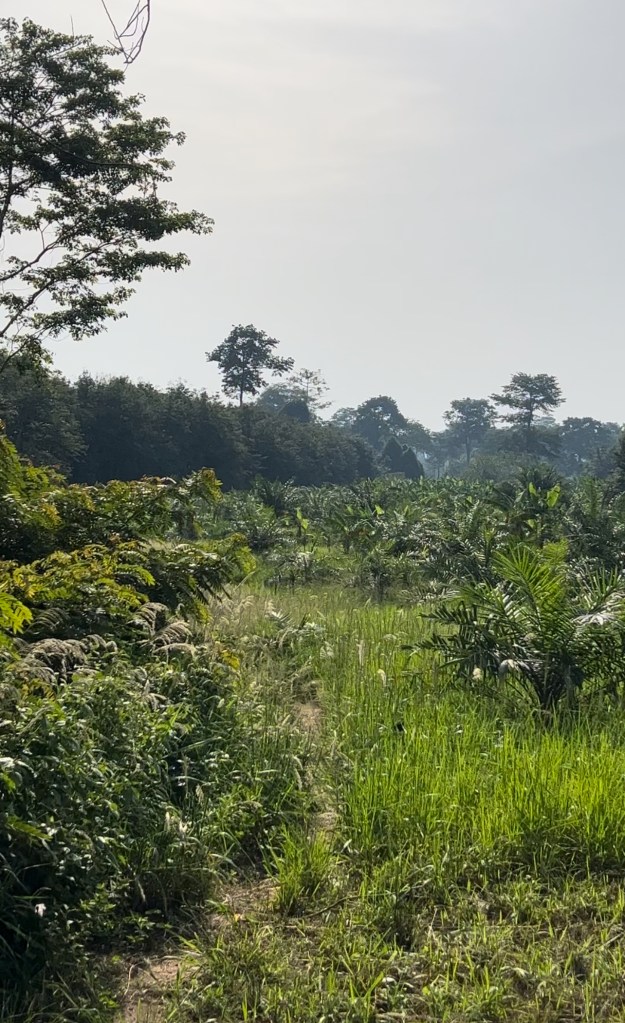
The NUVO Project embarked on its visionary journey in 2022, marked by a fruitful partnership with the local Ministry of Forestry, a steadfast ally offering invaluable logistical and technical support. In this short time frame, we have already witnessed the transformation of over 9 hectares through reforestation initiatives.
Two Years of Achievements:
In just two years, the NUVO Project has achieved significant milestone
- Local Employment: Provided jobs for 50 locals, fostering community engagement.
- Pilot Mahogany Planting: Planted 300 mahogany saplings, demonstrating our commitment to environmental restoration.
- Collaborative Partnerships: Formed strategic alliances, including ‘Seed Ball,’ expanding our influence in reforestation.
- Expert Knowledge Sharing: Established a valuable knowledge partnership with the Ministry of Waters and Forestry, enhancing decision-making capabilities.
Future Plans
As we look ahead, the NUVO Project envisions a future characterized by continued growth and collaboration. Our aspirations include:
- Eco-Tourism Initiative: We are excited to announce our plan to open the doors of the project to international eco-tourists from Western countries and the African diaspora. This initiative will allow them to actively participate in and support our green rehabilitation efforts.
- Decade of Transformation (2022-2032): Over the course of the next decade, spanning from 2022 to 2032, we have set a monumental goal to plant a staggering 100,000 trees within Kahabo Estate and expand our reforestation endeavors to encompass the Toumodi region of central Ivory Coast.
- Community Involvement: We recognize that the inclusion of local populations is fundamental to the long-term success and sustainability of our projects. We are committed to fostering this involvement through community engagement, education and awareness programs, and participatory planning, ensuring that the communities we serve actively contribute to the restoration of their natural environment.
The NUVO Project is poised to embrace a future defined by environmental stewardship, collaborative partnerships, and a deep-rooted commitment to reforestation and sustainability.
Contact us
We welcome partnerships and value your communication. Don’t hesitate to get in touch with the NUVO Green Project team.
Your message has been sent

United Kingdom, England
nuvogreenproject@gmail.com
(+44) 07413 956635
- Monday
- 9:00 am – 5:30 pm
- Tuesday
- 9:00 am – 5:30 pm
- Wednesday
- 9:00 am – 5:30 pm
- Thursday
- 9:00 am – 5:30 pm
- Friday
- 9:00 am – 5:30 pm
- Saturday
- Closed
- Sunday
- Closed
 Yann W. Tanoé